Blogs / International Zero Waste Day, Eco Happy's Guide
International Zero Waste Day, Eco Happy's Guide
March 30th, was the first official “International Day of Zero Waste”, jointly facilitated by UNEP and UN-Habitat.
The term zerowaste is nothing to be scared of and can be implemented with these 8 simple mindful practices-
🟢 Segregation of waste at source (our homes, offices etc) as dry and wet.
Most of the dry waste can be recycled if given to organisations like KESHAV SITA MEMORIAL FOUNDATION AND RUDRA ENVIRONMENTAL SOLUTIONS 5RCYCLE Saahas Zero Waste RecycoLife Swachh Pune
Wet waste can easily be composted at home with the help of Daily Dump Trustbasket Vasuki Iyengar vani murthy
🟢Saying no to fast fashion. Thrifting, choosing hand-me-downs, buying second hand and pre loved is the way ahead.
🟢 Consuming plastic free, package free goods, as much as possible.
🟢Simply carrying your own bottle, cloth bag and cutlery can reduce most of the waste generated once you step out of the house each day.
🟢 Ditching chemical cleaners, detergents and soaps. So many alternatives are now available, if you don’t want to make your own at home.
🟢Choosing to dine in instead of ordering online. Refusing tissue papers, toiletries in hotels, bottles kept on restaurant tables, ketchup and seasoning sachets .
🟢 Switching to reusable period products like cloth pads and menstrual cups. Cloth diapers for babies.
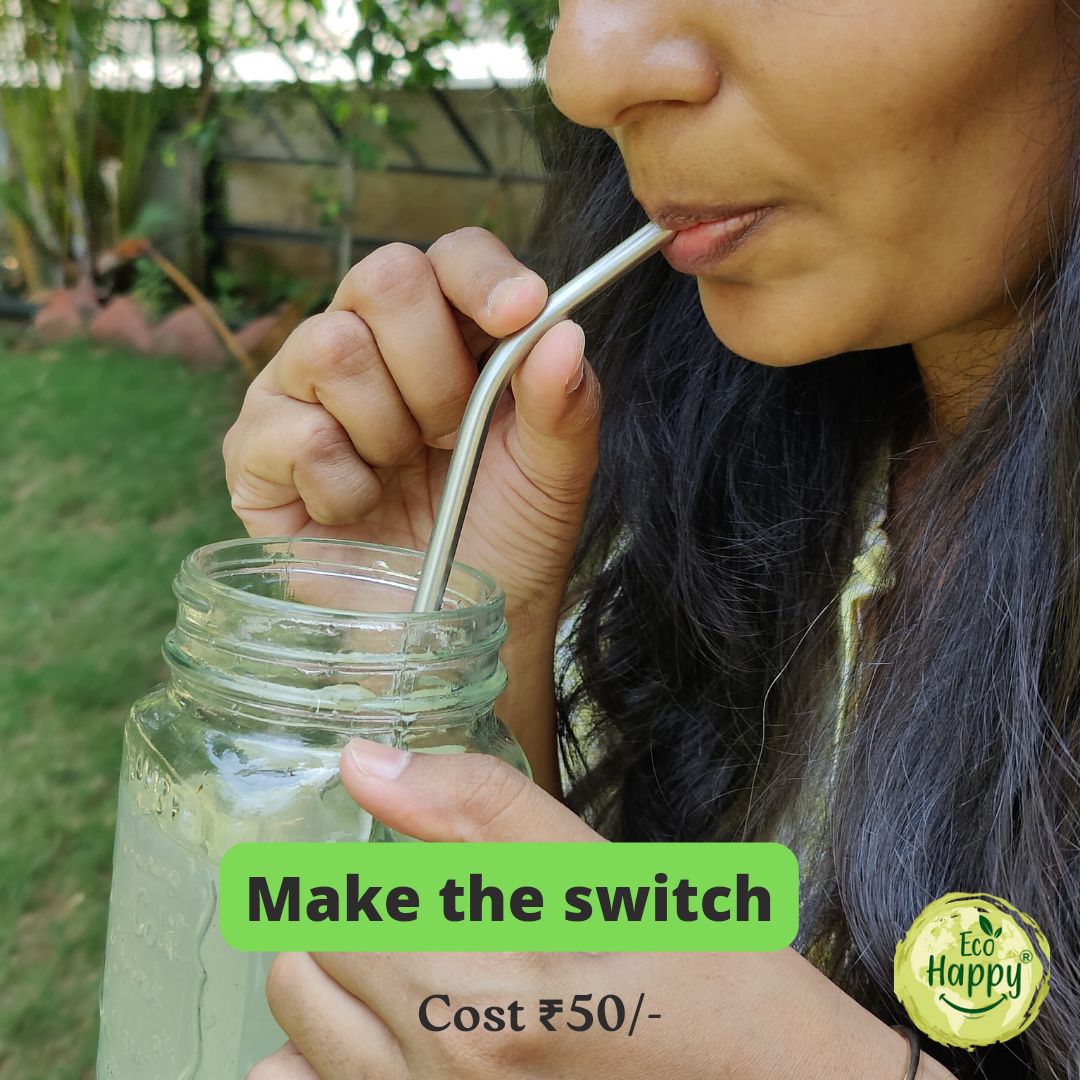
🟢Strict no to single use plastic bags, balloons,streamers, bottled water, paper cups, straws, etc. Basically all use and throw items.
Frequently asked questions
What does 'zero waste' actually mean?
It means designing out waste and reuse loss as much as possible, not literally producing zero waste, which is close to impossible for most businesses.
How does Eco Happy mark Zero Waste Day?
We highlight our plantable and upcycled product lines, which are designed to leave no waste behind after use.
When is International Zero Waste Day?
March 30th, jointly facilitated by UNEP and UN-Habitat.
What's one simple zero-waste practice to start with?
Segregating waste at source into dry and wet, so dry waste can actually be recycled by organisations that accept it.
Does zero waste mean producing no waste at all?
No. It means designing out waste and reuse loss as much as realistically possible, not literally zero, which is close to impossible for most businesses.