Blogs / What India's Draft Ecomark Rules Mean for 'Eco' Paper
What India's Draft Ecomark Rules Mean for 'Eco' Paper
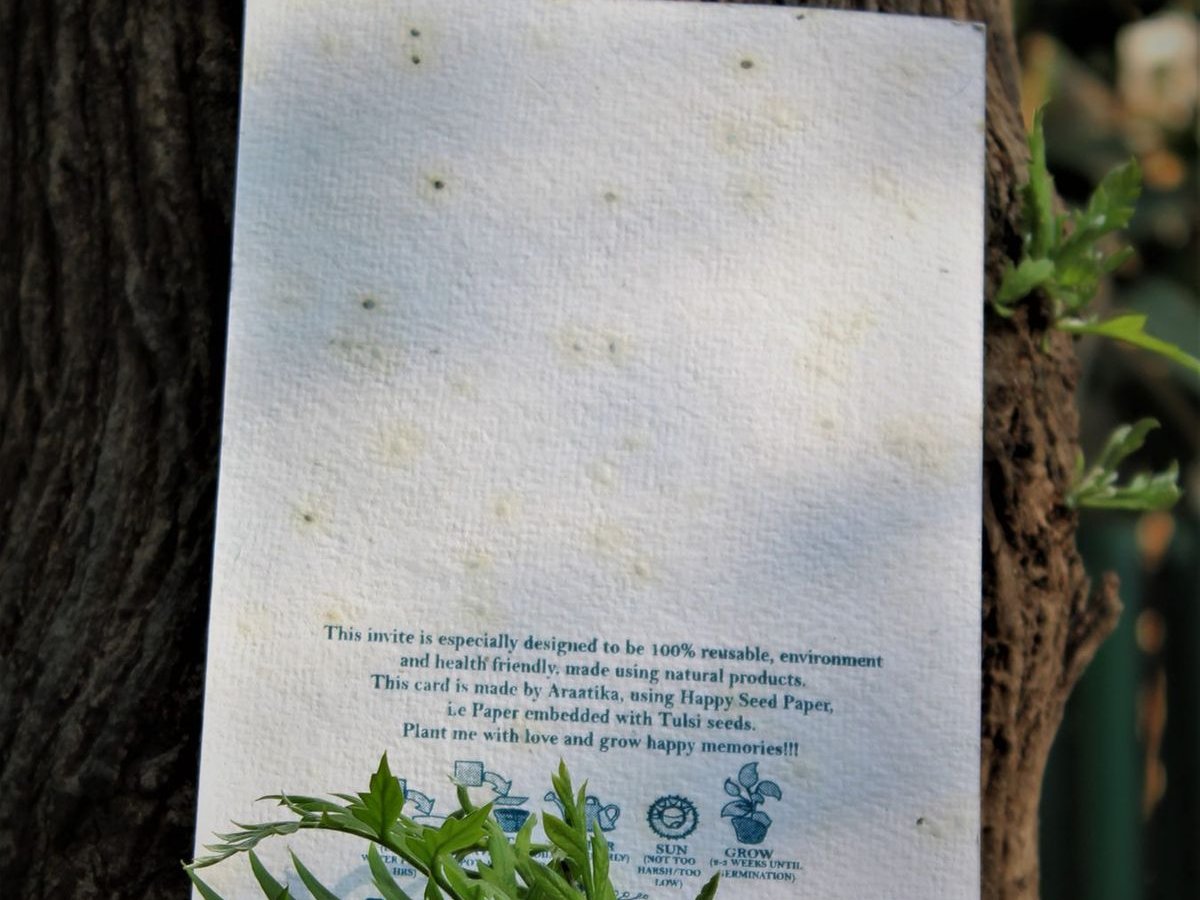
Pick up almost any gift wrapped in paper this Diwali season, and somewhere on it, in green lettering, you’ll find the word “eco-friendly.” Nobody checks that word today. There’s no number behind it, and nothing you could ask to see. In June, the environment ministry drafted the first real attempt to change that, at least for paper.
What the ministry actually changed
India already has a government eco-label. Most shoppers have just never noticed it. Ecomark dates back to 1991, and it sat mostly unused until the Ministry of Environment, Forest and Climate Change notified fresh rules for it on 26 September 2024, under the government’s Lifestyle for Environment mission. The Central Pollution Control Board now runs the scheme together with the Bureau of Indian Standards, and the stated goal was simple: stop misleading green claims and give a certified label to the products that earn it.
Writing the rule is one thing. Deciding what a product actually has to do to earn the label is another, and that part was still missing. On 8 June 2026, the ministry filed a draft notification, G.S.R. 452(E), proposing detailed, measurable criteria for six product categories at once: paints and coatings, batteries, wood products, fire extinguishers, coir, and paper and paperboard, the one that matters most for what we make.
What counts as “recycled paper” under the draft
Right now, a notebook can call itself recycled with no figure attached anywhere. Under the draft, paper and paperboard sold as recycled would need at least 80% wastepaper or recovered fibre. Paper made mostly from agricultural residue, cotton linters or rags would need at least 60% of that pulp. Wood-based paper would need at least 70% pulp from bamboo, hardwood, softwood or reed, grown domestically and certified under India’s own Forest and Wood Certification Scheme.
The chemical side goes further than most buyers would think to ask about. Azo and benzidine dyes would be banned outright in coloured paper, and any biocide classed as carcinogenic or mutagenic would be banned across every paper grade, not just food packaging. Food-contact paper couldn’t contain PFAS or PFOA, and optical brightening agents would be banned from it too. Every certified product would also carry a QR code linking to the actual criteria it was tested against. Not a leaf logo you’re meant to take on faith.
An actual record.
Why it’s still just a draft
None of this is law yet. The window for public comments closed on 7 August 2026, and as far as we’ve been able to find, the ministry hasn’t notified a final rule since. So for this Diwali season, nothing has actually changed yet. A box can still say “eco-friendly” on its paper sleeve with nothing behind it, exactly as it could in May.
What has changed is that we now know what a real test would look like, months before it’s actually enforceable. That’s useful on its own. A buyer doesn’t need to wait for a gazette notification to start asking the same questions this rule would eventually force.
What we can say about our own paper
We can’t claim our paper meets a standard that doesn’t formally exist yet, because nobody can test against a draft. What we can tell you is what’s already true: our newspaper pencils are rolled by hand in our Pune workshop from 100% recycled newspaper, and our recycled paper notebooks are made from 100% recycled paper, with nothing else blended in. That’s a specific, checkable claim, and it happens to be exactly the kind the draft rule is trying to make mandatory for everyone. We’d rather say it plainly now than wait for a QR code to make us.
What to ask before this Diwali’s order
If you’re sourcing a few hundred diaries, notebooks or seed-paper cards for a corporate gifting order this season, ask your vendor two plain questions: what percentage of the paper is actually recycled, and what it was bleached with. Either they have a specific answer or they don’t, and that tells you most of what you need to know, draft rule or no draft rule.
We’ve written before about how to read a sustainability label on packaging that never names a real certifying body. The Ecomark draft is roughly what it would look like if India finally built one, at least for paper. Our corporate gifting range and our impact calculator run on the same idea: a specific number beats a comforting word, whether or not a regulator ever signs off on it.
Frequently asked questions
What is India's draft Ecomark amendment for paper products?
On 8 June 2026, the Ministry of Environment, Forest and Climate Change issued a draft notification, G.S.R. 452(E), proposing detailed eco-label criteria for six product categories, including paper and paperboard, under the Ecomark Rules, 2024.
What would the draft require of paper labelled 'recycled'?
At least 80% of the material would have to be wastepaper or recovered fibre. Paper made mostly from agricultural residue, cotton linters or rags would need at least 60% of that pulp, and wood-based paper at least 70%, grown domestically and certified.
Has India's draft Ecomark rule for paper been finalised?
Not yet, as far as published coverage shows. The public comment window closed on 7 August 2026, and the government has not notified a final rule since.
Does Eco Happy's paper meet the draft Ecomark criteria?
We can't say. Nobody can test a product against a standard that doesn't formally exist yet. What we can tell you is that our newspaper pencils and recycled paper notebooks are made from 100% recycled material, with nothing else blended in.
What should I ask a gifting or stationery vendor about 'eco-friendly' paper right now?
Ask for the actual recycled-content percentage, not just the word 'eco-friendly.' Ask what the paper was bleached with. A vendor who can answer both specifically is already doing what the draft rule would eventually require.